
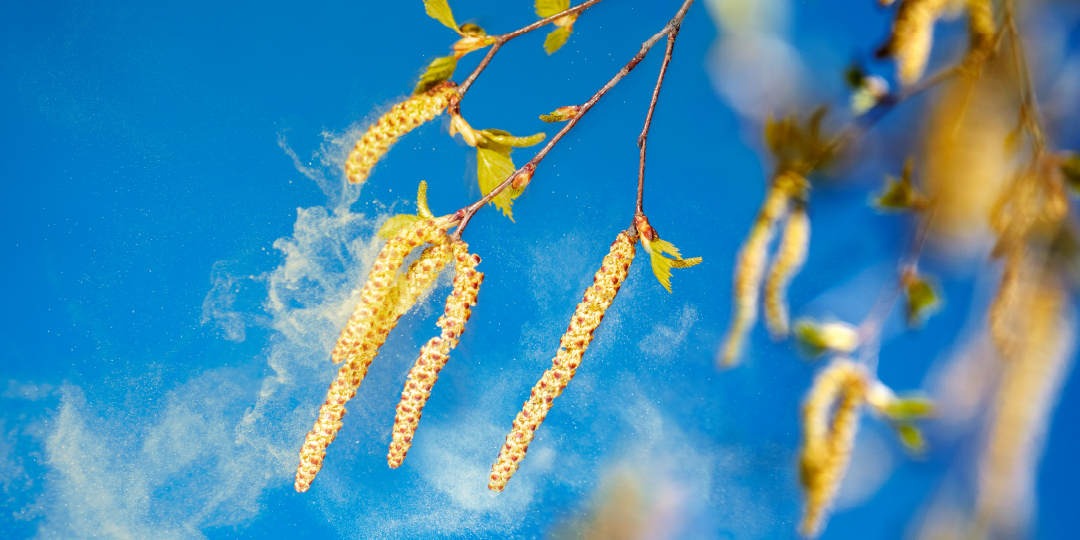
For many people, dealing with allergies in Houston is not just a short springtime issue. The city’s warm climate, heavy humidity, and long growing seasons create the perfect environment for allergens to stick around throughout much of the year. From tree and grass pollen to mold and dust mites, allergy triggers can show up in different ways across every season.
Why Houston Allergies Can Feel So Intense
Houston’s climate plays a big role in why allergy symptoms can feel constant. Warm temperatures allow plants to grow for long stretches of the year, while humidity creates favorable conditions for mold and dust mites. High humidity is especially important because mold thrives in moisture, and dust mites tend to do well in warm, humid indoor spaces.
That means allergy sufferers in Houston may deal with both outdoor and indoor triggers at the same time. Even when pollen levels dip, allergens inside the home can continue causing symptoms.
Tree Pollen
Tree pollen is one of the most common seasonal triggers in Houston and across Texas. In spring, oak is often a major culprit, while other trees such as elm and pecan may also contribute to symptoms in some parts of Texas. Seasonal allergy guidance from Texas sources and allergy organizations consistently identifies tree pollen as a major spring trigger.
When tree pollen is high, people may notice sneezing, a runny or stuffy nose, itchy eyes, a scratchy throat, and fatigue from ongoing congestion.
Pollen levels often rise under warm, windy conditions and can be highest in the morning. Rain may temporarily wash pollen away, but counts can climb again after rainfall, depending on weather conditions.
Grass Pollen
Once spring transitions into summer, grass pollen often becomes another major issue.
Texas allergy guidance notes that grass allergies typically spike during the summer months. Even if you are not spending much time in a grassy field, pollen can still travel and trigger symptoms.
Grass pollen symptoms can look very similar to other environmental allergies, including nasal congestion, sneezing, watery eyes, and postnasal drip. For some people, these symptoms are worse after yardwork, outdoor exercise, or spending time in parks and open spaces.
Ragweed & Other Weed Pollens
In the fall, ragweed becomes a well-known trigger for seasonal allergies. The American College of Allergy, Asthma & Immunology identifies ragweed as a common source of allergy symptoms such as sneezing, a runny or stuffy nose, and an itchy throat. Texas seasonal allergy guidance also points to ragweed as a major fall allergen.
Ragweed pollen can be bothersome because it travels easily through the air. People who are sensitive to it may feel miserable even with limited direct outdoor exposure. In Houston, fall allergies can still feel strong because warm weather often lingers longer than it does in other parts of the country.
Mold Spores
Mold is another major reason allergies can feel like a year-round issue. Mold grows quickly in heat and high humidity, making Houston’s climate a natural setup for persistent exposure both outdoors and indoors. The U.S. Environmental Protection Agency (EPA) notes that allergic reactions to mold are common and that mold exposure can also irritate the eyes, skin, nose, throat, and lungs.
Common places mold may grow include:
- Bathrooms
- Kitchens
- Laundry rooms
- Air conditioning systems
- Damp drywall or carpeting
- Areas affected by leaks or flooding
Because moisture is the key driver, controlling humidity and addressing water damage quickly are important parts of prevention. The EPA advises that moisture control is central to mold prevention and that water-damaged areas should be dried promptly.
Dust Mites
Dust mites are tiny organisms that live in household dust and are one of the most common indoor allergy triggers. They tend to collect in mattresses, pillows, bedding, upholstered furniture, curtains, and carpeting. The American Lung Association and the Asthma and Allergy Foundation of America (AAFA) both note that dust mites can trigger allergy symptoms and asthma flare-ups.
Symptoms of dust mite allergy may include: stuffy nose, sneezing, coughing, itchy or watery eyes, postnasal drip, and morning congestion.
Because Houston is humid for much of the year, dust mites may be an especially relevant indoor trigger for local residents. Helpful steps include washing bedding regularly in hot water, using allergen-proof mattress and pillow covers, reducing clutter, and keeping humidity under control.
Pet Dander
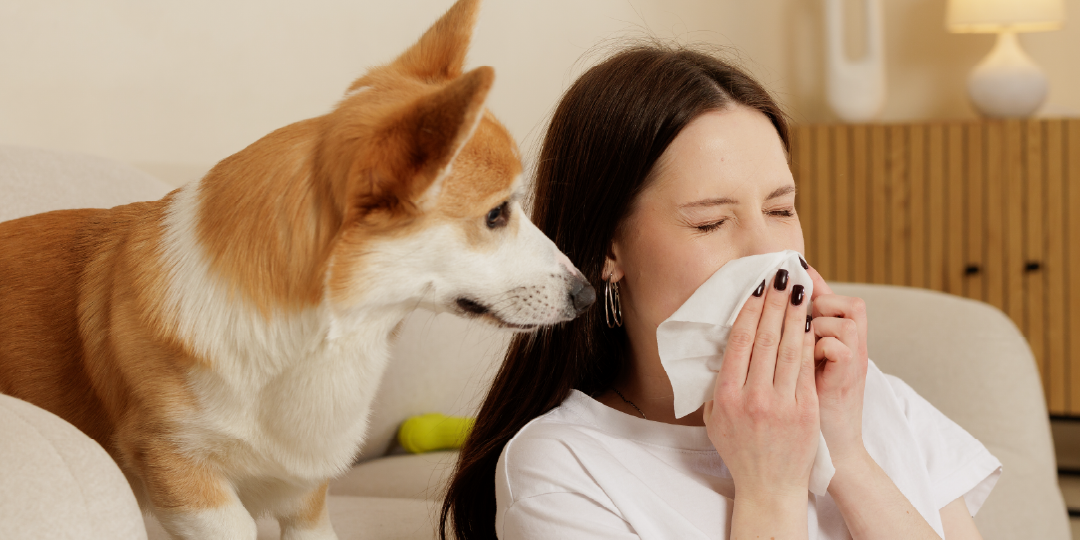
For some households, pet dander is another important indoor allergen. Even when a pet looks clean, proteins found in dander, saliva, and urine can still trigger allergic reactions. Pet allergies may overlap with other indoor triggers, making it harder to tell exactly what is causing symptoms unless patterns are carefully observed or allergy testing is done. AAFA identifies pet allergens as a common cause of indoor allergy symptoms.
When Allergy Symptoms Deserve More Attention
Occasional sneezing may not seem like a big deal, but persistent allergies can interfere with sleep, concentration, work, and daily comfort. They can also aggravate asthma in some people. Mold and dust mites, in particular, are known to trigger asthma symptoms in sensitive individuals.
Seek medical advice if symptoms are lasting for weeks, getting worse with each season, disrupting sleep, causing frequent sinus pressure or headaches, or triggering coughing, wheezing, or shortness of breath.
Here are practical tips for managing allergies:
- Check local pollen and mold levels before spending long periods outside. The Houston Health Department publishes local reports.
- Keep windows closed on high-pollen days.
- Shower and change clothes after being outdoors.
- Use air conditioning and replace filters regularly.
- Wash bedding weekly in hot water.
- Address leaks and damp areas quickly to help prevent mold.
- Consider reducing indoor humidity when possible.
Living More Comfortably With Allergies in Houston
Living with allergies can be frustrating because the triggers are not limited to one short season. Tree pollen, grass pollen, ragweed, mold, dust mites, and pet dander can all contribute to ongoing symptoms depending on the time of year and your indoor environment.
If allergy symptoms are becoming hard to manage or are affecting your daily life, Hillcroft Physicians can help evaluate your symptoms and guide you toward the next steps for care.