
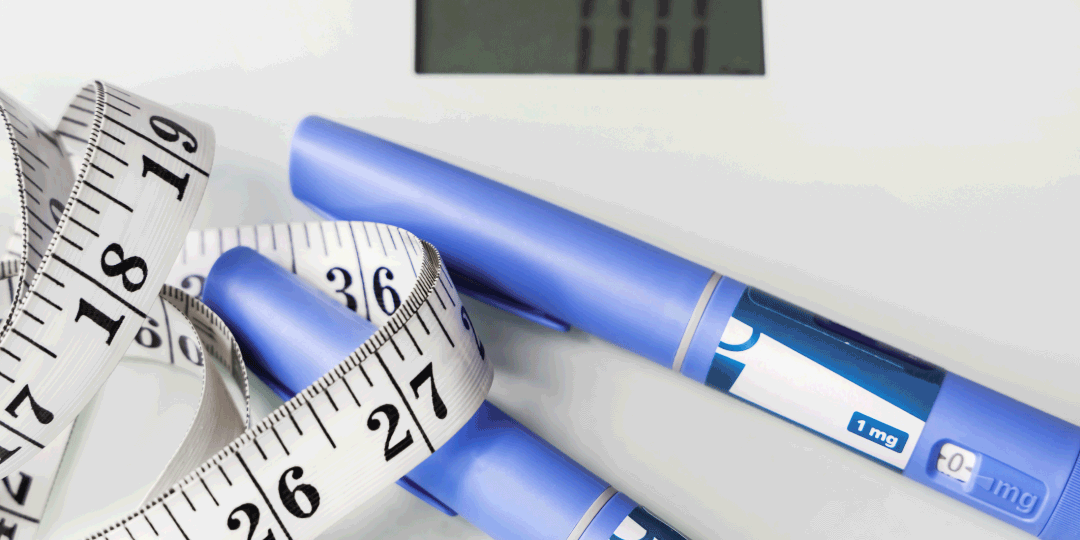
With multiple FDA-approved options now available, understanding how these injections work, how they differ, and who they’re designed for can help patients make informed decisions alongside a qualified medical provider.
Here, we explain the most common weight loss injectable medications, how they compare, and what to consider before starting treatment.
What are Weight Loss Injections?
Weight loss injections are prescription medications administered via subcutaneous injection (just under the skin). Many belong to a class of drugs known as GLP-1 receptor agonists, which mimic a naturally occurring hormone involved in appetite regulation and blood sugar control.
These medications help patients:
- Feel full sooner and longer
- Reduce appetite and food cravings
- Improve blood sugar regulation
- Support gradual, sustainable weight loss
Unlike a traditional weight loss pill, injectables are absorbed steadily into the body, which can improve consistency and effectiveness for some patients.
How Do GLP-1 Receptor Agonists Work?
GLP-1 receptor agonists act on multiple systems involved in weight management.
They:
- Slow stomach emptying, helping you feel full
- Signal the brain to reduce hunger
- Help regulate blood sugar levels
- May lower blood pressure in some individuals
These effects work together to reduce overall calorie intake and support healthier changes in body weight over time.
The 4 Main Types of Weight Loss Injections
While formulations and brand names vary, most injectable medications fall into one of the following categories.
1. Semaglutide
Semaglutide is one of the most widely recognized weight loss drugs and is FDA-approved under specific brand names for chronic weight management. It has been shown to help patients lose a significant percentage of their body weight when combined with lifestyle changes.
Key features:
- Weekly injection
- Approved for adults 18 years and older
- Helps regulate appetite and blood sugar
- Originally developed to treat type 2 diabetes
2. Tirzepatide
Tirzepatide is a newer medication that targets two hormone receptors, including GLP-1.
Key features:
- Weekly injection
- Dual-action mechanism
- Supports appetite reduction and blood sugar control
- FDA-approved for weight management under specific indications
Because of its dual pathway, Tirzepatide has gained attention for its impact on both weight loss and metabolic health.
3. Liraglutide (Saxenda®)
Liraglutide Saxenda is an earlier-generation GLP-1 medication.
Key features:
- Daily injection
- Often used in structured medical weight loss programs
- Effective for people who prefer smaller daily dosing
- FDA-approved specifically for weight loss
4. Combination or Alternative Injectable Therapies
Some injectable treatments combine appetite suppression with metabolic support or are prescribed off-label under strict medical supervision.
These options may be considered when:
- Patients have specific health problems
- Other medications were not tolerated well
- Weight loss goals require a tailored approach
Comparing Popular Weight Loss Injections
Many patients ask how these medications compare. While no single option is “best” for everyone, here are general considerations.
Which Is the Best Weight Loss Injection?
There is no universal answer, as this is more subjective. However, the best option depends on your:
- Medical history
- Weight loss goals
- Tolerance for side effects
- Existing conditions like diabetes or hypertension
What Is Safer: Wegovy or Mounjaro?
Both medications are FDA-approved and considered safe when prescribed appropriately, and share capabilities that may reduce the risk of complications associated with obesity, such as cardiovascular disease and type 2 diabetes.
Safety depends more on:
- Proper dosing
- Medical supervision
- Patient adherence
Is Zepbound Better Than Ozempic?
These medications contain different active ingredients and are approved for different indications. Effectiveness varies by individual, and “better” depends on:
- Desired result
- Side effect profile
- Response to treatment

Potential Side Effects to Know About
Like all medications, weight loss injections can cause side effects. Common ones include nausea, vomiting, diarrhea or constipation, and fatigue. Most side effects occur during dose escalation and often improve with time. Serious side effects are rare but require immediate medical attention. A provider will also evaluate how these medications interact with blood pressure, blood sugar, and other medications.
Who Is a Candidate for Weight Loss Injections?
Injectable weight loss medications are generally prescribed for adults whose BMI meets clinical guidelines, who have obesity-related health conditions, or who have tried to lose weight through diet and exercise without much success. For many, this struggle is not about a lack of effort, but rather how their bodies naturally regulate hunger, fullness, and metabolism. For example, someone may have followed a structured meal plan, exercised consistently, and made lifestyle changes for years, yet only seen short-lived results. The scale might move briefly and then stall or reverse. In these cases, injectable medications can act as a helpful boost, supporting appetite regulation so the person feels full sooner and eats less without constant hunger.
Weight Loss Injections vs. Lifestyle Changes
While effective, injectable medications are not a replacement for healthy habits. Long-term success depends on combining medication with balanced nutrition, physical activity, lifestyle changes, and ongoing medical monitoring. When used appropriately, weight loss injections can support, not replace, sustainable behavioral changes.
Are Weight Loss Injections FDA-Approved?
Several injectable medications are FDA-approved specifically for weight management, while others are approved for diabetes and prescribed off-label. FDA approval ensures medications meet strict safety and efficacy standards for their intended use.
Final Thoughts: Choosing the Right Path for Weight Management
Understanding the different weight loss injections available today can help patients navigate a rapidly evolving field of medical weight management. Each option has unique benefits, dosing schedules, and considerations, making individualized care essential.
For individuals exploring injectable weight loss options under professional medical guidance, Hillcroft Physicians offers comprehensive evaluations and personalized weight management care. A consultation can help determine whether weight loss injections are appropriate and how they may fit into a broader, sustainable health plan.