
You may hear about people beginning treatments in their 20s, while others don’t consider injectables until their 40s, 50s, or later. The reality is that there isn’t one “right” age to begin. Instead, the decision depends on your skin, facial structure, the changes you’re beginning to notice, and what you hope to achieve.
Understanding how different cosmetic injectables work can help you decide when it may be worth discussing your options with a qualified healthcare professional.
What Are Cosmetic Injectables?
Cosmetic injectables are nonsurgical treatments used to address concerns such as fine lines, wrinkles, facial volume loss, and changes in facial contours.
Two of the most common categories are neuromodulators and dermal fillers.
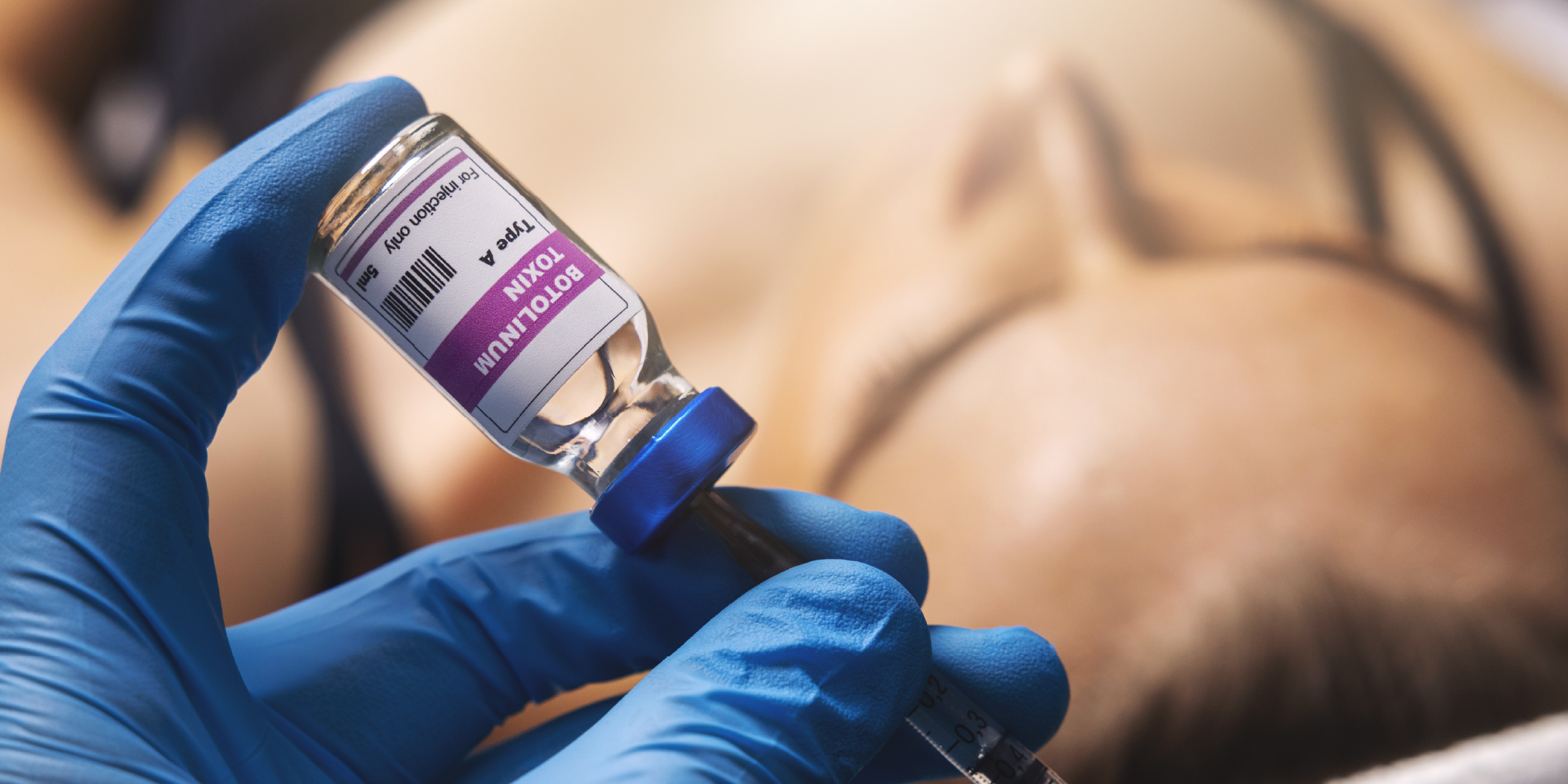
Neuromodulators, such as BOTOX®, temporarily reduce targeted muscle activity. They’re commonly used for expression lines that develop from repeated facial movements, including forehead lines, frown lines between the eyebrows, and crow’s feet.
Dermal fillers work differently. Rather than targeting muscle movement, fillers can add or restore volume and enhance facial contours. Depending on the treatment area and individual goals, fillers may be used in areas such as the cheeks, lips, temples, smile lines, and jawline.
Because these treatments address different concerns, deciding when to start depends partly on what you’re trying to treat.

Can Cosmetic Injectables Help Prevent Signs of Aging?
Some people consider neuromodulators before lines become deeply established. This approach is sometimes referred to as “preventive” treatment.
Many facial wrinkles begin as dynamic lines—lines that appear when you smile, squint, raise your eyebrows, or make other facial expressions. Over time, repeated muscle movement and changes in the skin can cause some of these lines to remain visible even when the face is relaxed.
Neuromodulators temporarily reduce movement in targeted muscles. For someone beginning to notice expression lines, treatment may help soften their appearance and may limit the repeated muscle activity that contributes to deeper lines over time.
However, preventative injectables aren’t something everyone needs at a certain age. Whether treatment makes sense depends on the individual.
Is Your 20s Too Early for Cosmetic Injectables?
Some adults begin noticing fine expression lines in their late 20s or early 30s, while others may not notice them until much later. Genetics, sun exposure, skin characteristics, lifestyle, and facial movement can all influence how and when visible signs of aging develop.
If you’re in your 20s and don’t have lines or cosmetic concerns that bother you, there may be no reason to begin treatment simply because other people your age are doing so.
If you’re beginning to notice expression lines and are interested in preventing them from becoming more prominent, however, a consultation can help you understand whether treatment is appropriate for you.
What About Your 30s?
The 30s are often when people begin paying more attention to subtle changes in their skin.
Fine lines around the eyes or forehead may become more noticeable, and expression lines may take longer to disappear after the face relaxes. Some people may also begin noticing subtle changes in facial volume.
At this stage, neuromodulators may be considered for dynamic wrinkles caused by repeated muscle movement. Dermal fillers may also be an option for certain concerns involving facial volume or contours.
That doesn’t mean everyone should begin injectables in their 30s. Treatment should still be based on your individual concerns, rather than your age alone.

Considering Injectables in Your 40s and Beyond
Cosmetic injectables aren’t only for people hoping to prevent future wrinkles. They can also be used to address signs of aging that are already visible.
As we age, the face naturally changes. Collagen and elastin production decline, and changes can occur in the skin, fat, muscle, and bone that contribute to wrinkles, sagging, and loss of facial volume.
Someone in their 40s, 50s, or beyond may consider neuromodulators to soften expression lines or dermal fillers to restore volume and improve certain facial contours.
Starting later doesn’t necessarily mean you’ve “missed” the opportunity to use injectables. A qualified provider can evaluate your current concerns and discuss which treatments may—or may not—help you reach your goals.
Signs It May Be Time to Consider a Consultation
Rather than asking, “Am I old enough for injectables?” it may be more helpful to think about what you’re actually noticing.
You might consider speaking with a qualified provider if:
- Fine lines remain visible even when your face is relaxed.
- Forehead lines, frown lines, or crow’s feet have become more noticeable.
- You’ve noticed changes in facial volume.
- Your lips have lost volume or definition.
- You’re interested in enhancing certain facial contours.
- You want to explore nonsurgical options for addressing visible signs of aging.
- You’re curious about preventive treatment but aren’t sure whether it’s appropriate for you.
A consultation doesn’t mean you have to move forward with treatment. It gives you an opportunity to understand your options and determine whether an injectable treatment aligns with your goals.
Injectables Aren’t a Replacement for Skin Care
If preventing premature signs of aging is your goal, cosmetic treatments are only one part of the picture.
Daily sun protection is especially important. Ultraviolet exposure contributes to premature skin aging, including wrinkles and changes in skin texture and pigmentation. Wearing broad-spectrum sunscreen, limiting excessive sun exposure, and avoiding tanning can help protect the skin over time.
A consistent skin care routine, healthy lifestyle habits, and appropriate professional skin treatments may also complement your approach to aging.
Cosmetic injectables can address specific concerns, but they don’t replace the fundamentals of taking care of your skin.
A Personalized Approach Matters
The right time to begin cosmetic injectables is different for everyone.
Someone in their late 20s may be interested in softening early expression lines, while someone in their 40s or 50s may want to address established wrinkles or restore facial volume. Others may decide that injectables aren’t right for them at all.
What’s most important is choosing treatment based on your individual needs rather than feeling pressured to start at a certain age.
Learn More About Cosmetic Injectables at Hillcroft Physicians
If you’re beginning to notice signs of aging or simply want to learn whether cosmetic injectables may be appropriate for your goals, a professional consultation is a good place to start.
Hillcroft Physicians offers cosmetic injectables in Houston, including neuromodulators and dermal fillers, with treatments personalized to each patient’s facial structure, concerns, and aesthetic goals.
Our team can evaluate the areas you’d like to address, explain your treatment options, and help you determine an approach designed to create natural-looking results.
Learn more about cosmetic injectables at Hillcroft Physicians or schedule a consultation to discuss your options.